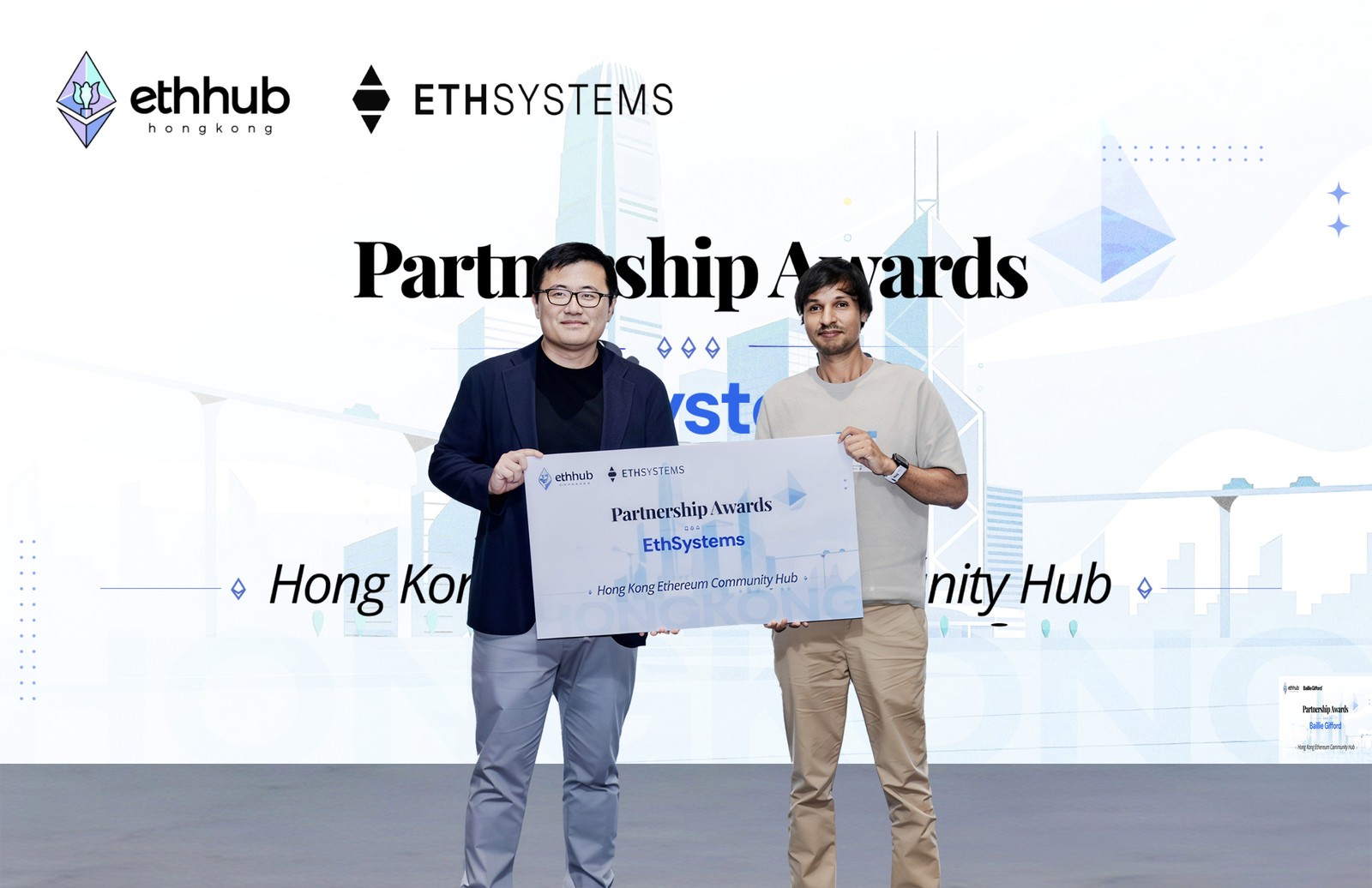
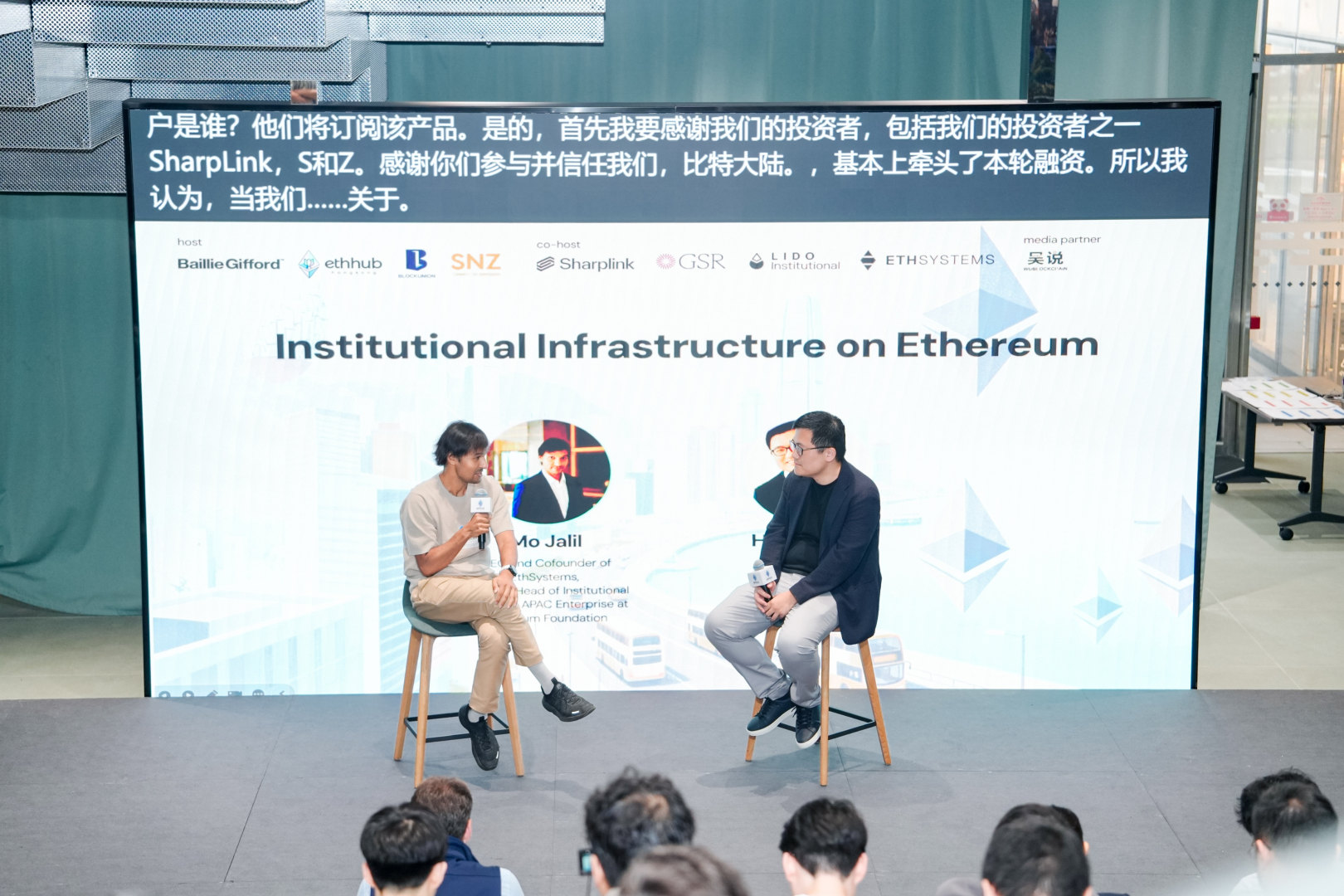
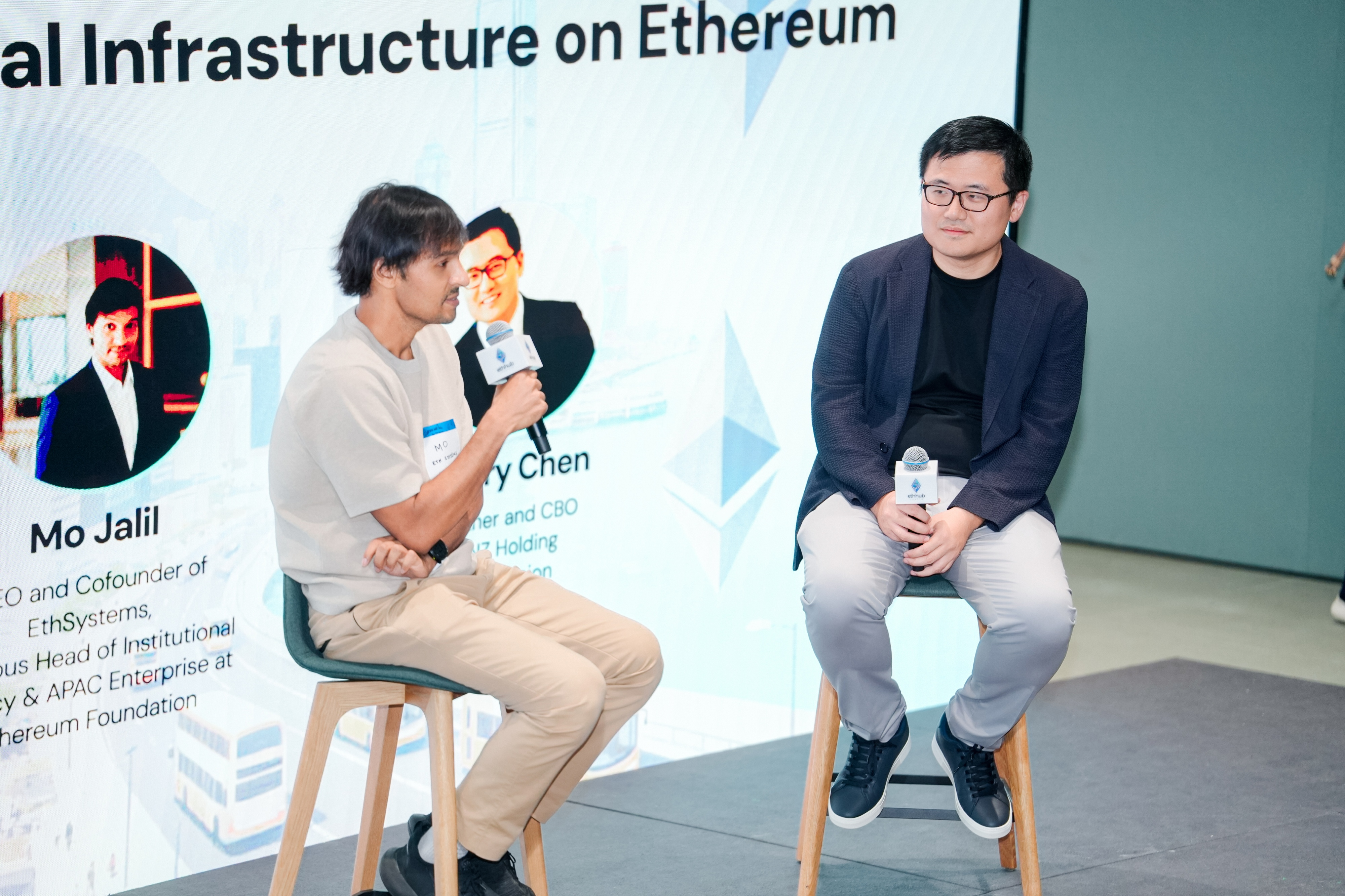
Host: Henry Chen @henrychen_cy
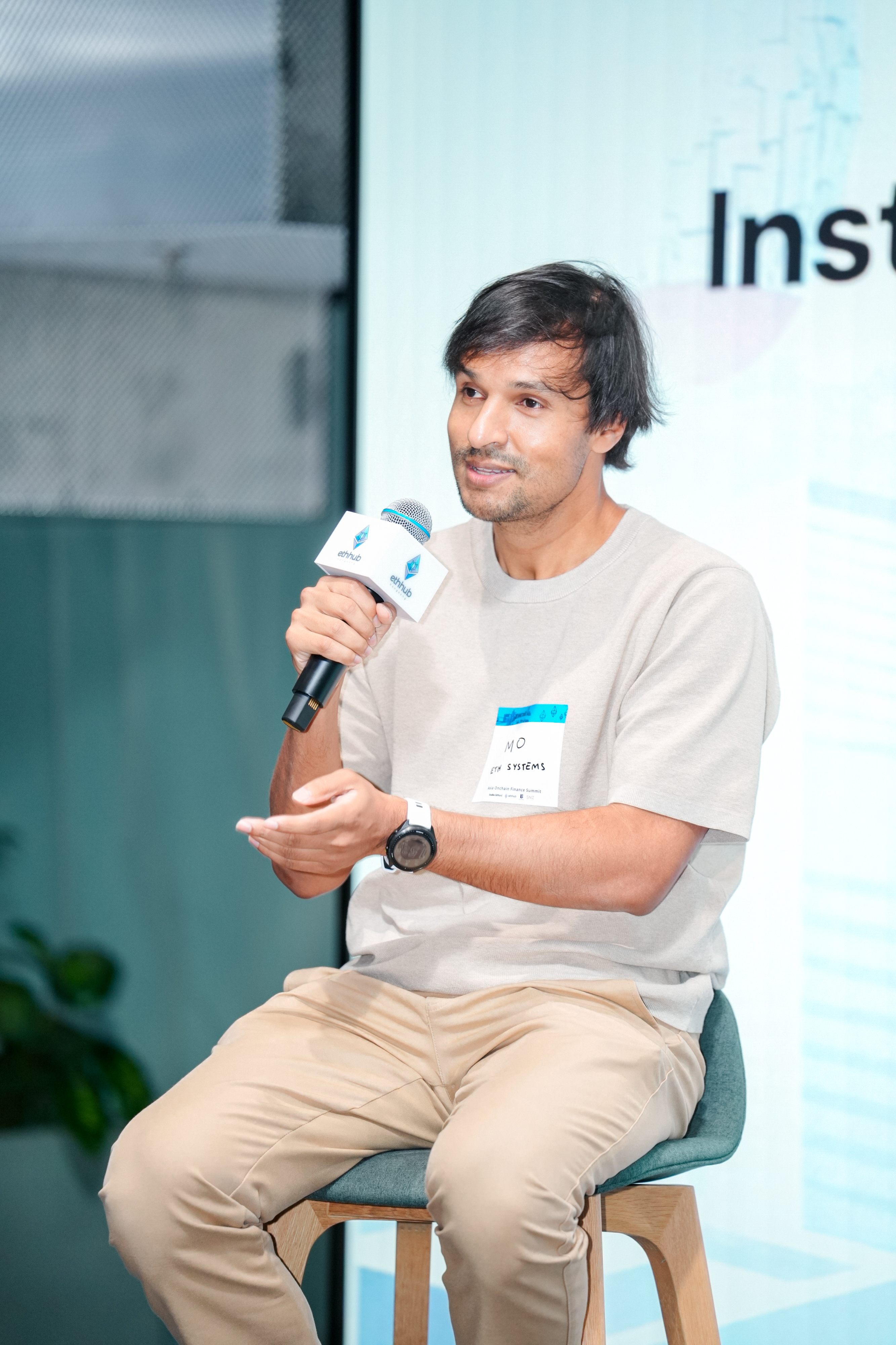
Guest: Mo Jalil @motypes — Co-Founder and CEO of EthSystems (Former Head of Corporate Initiatives APAC & Global Institutional Privacy at Ethereum Foundation)
Background: Mo Jalil, a former Goldman Sachs trading systems developer and ex-Head of Institutional Privacy and ex-Head of Enterprise APAC at the Ethereum Foundation, has announced his departure to co-found EthSystems. The new venture is designed to build Ethereum-based confidential systems tailored for banks, asset managers, and financial market infrastructure providers.
主持:Henry Chen @henrychen_cy
嘉宾:Mo Jalil @motypes — EthSystems 联合创始人兼 CEO(前以太坊基金会亚太区企业倡议及全球机构隐私负责人)
背景:前高盛交易系统开发者、原以太坊基金会机构隐私及亚太企业业务负责人 Mo Jalil宣布离职并联合创立 EthSystems,旨在为银行、资产管理机构及金融市场基础设施提供商构建基于以太坊的机密系统。
This article has been edited and translated based on the live session recording for clarity and readability. Every effort has been made to accurately reflect the speakers’ original remarks, though minor transcription or translation discrepancies may remain. Views expressed are those of the individual speakers.
本文根据现场录音整理、翻译并经编辑以提升阅读体验。我们已尽力准确还原嘉宾原意,但仍可能存在少量转录或翻译偏差。文中观点仅代表嘉宾个人观点。
1. From Goldman Sachs to the Ethereum Foundation: The Largest Obstacle to Institutional On-chain Adoption
一、从高盛到以太坊基金会:机构上链的最大阻碍
Good afternoon, everyone. Thanks for coming on a rainy Friday afternoon. I hope this was worth your trip, because we have a very exciting afternoon with great guest speakers and great content for you. I'm very happy to be here with Mo again—in a new form, a new company, and a new role. How are you doing so far, Mo?
Henry Chen:大家下午好。感谢大家在这个下雨的周五下午赶来。我希望大家不虚此行,因为我们今天下午安排了非常精彩的内容,并邀请到了多位优秀的重磅嘉宾。我非常高兴能再次与 Mo 坐在一起——以一种全新的形式、全新的公司和全新的身份。Mo,你最近怎么样?
Yeah, I think it's great. I always like coming to Hong Kong, so it feels like home. I see you guys often. Actually, talking about what we're doing at EthSystems for the first time—probably here in Hong Kong—feels very natural.
Mo Jalil:是的,我觉得棒极了。我一直很喜欢来香港,这里让我感觉就像回家一样。我经常见到你们。事实上,能够在香港这里第一次公开谈论我们在 EthSystems 所做的事情,感觉非常自然。
For those of you who don't know, I've known Mo for the past three years. He was leading the Ethereum Foundation's APAC enterprise initiatives and institutional privacy efforts globally until this Monday. Then there was a big announcement. If you've been following the news, Mo is now the CEO and Co-Founder of a new company, EthSystems, working closely with the Ethereum Foundation on institutional initiatives. Can you tell us more about the announcement and the new company?
Henry Chen:对于那些还不了解的朋友,我认识 Mo 已经有三年了。直到本周一之前,他一直负责以太坊基金会(Ethereum Foundation)的亚太区企业倡议以及作为基金会之外的独立组织,与以太坊生态及相关机构合作。然后,本周出现了一个重磅新闻。如果你关注了新闻,Mo 现在是一家新公司 EthSystems 的联合创始人兼 CEO,他们正与以太坊基金会保持紧密合作,推进机构级项目。你能向我们详细讲讲这个官宣和这家新公司吗?
Actually, before that, I'll talk a little bit about what I was doing at the Ethereum Foundation. I started my career in traditional finance at Goldman Sachs, building trading systems. About seven years later, I found myself at the Ethereum Foundation, talking to financial institutions about how they could bring finance onchain. What we found was that one of the biggest limiting factors across almost every financial institution was confidentiality. Public blockchains are incredibly compelling, but on a public blockchain you can see everything. That was the thing holding institutions back. So, with the help and support of the Ethereum Foundation, we created EthSystems to solve that problem.
Mo Jalil:事实上,在此之前,我想先简单谈谈我之前在以太坊基金会所做的工作。我的职业生涯始于传统金融巨头高盛(Goldman Sachs),当时主要负责构建交易系统。大约七年之后,我来到了以太坊基金会,开始与各大金融机构沟通探讨他们如何将金融业务搬到链上。在此过程中,我们发现,对于几乎所有金融机构而言,机密性都是阻碍其采用公有链的最大限制因素之一(Confidentiality)”。公有链极其引人入胜,但在公有链上,所有人都可以看到一切。这正是阻碍传统机构向前迈进的核心症结。因此,在以太坊基金会的协助与支持下,我们创立了 EthSystems 来专门解决这一难题。
So you started your journey in traditional finance at Goldman Sachs, and now you're working with institutions again. In fact, you've been working with them over the past year and a half. What has changed, and what has stayed the same, in your conversations with banks and other financial institutions?
Henry Chen:所以你的旅程始于高盛的传统金融界,而现在你又再次与机构打交道。事实上,在过去的年半时间里,你一直在与他们沟通。在你与银行及其他金融机构的交流中,有哪些事情发生了改变?又有哪些事情保持不变?
Yeah, I think a lot has changed. There are the banks themselves, but there's also the broader ecosystem. Over the last ten years, blockchain as a whole has grown significantly. Adoption has increased dramatically, the ecosystem has expanded geographically, there are many more users, many more applications, and the organizations helping to steward Ethereum have also evolved.
Mo Jalil:是的,我认为发生了很大的变化。这不仅体现在银行本身,也体现在更广泛的生态系统中。在过去的十年里,区块链作为一个整体取得了巨大的增长。大规模采纳率显著提升,生态系统的地理覆盖范围大幅扩张,出现了多得多的用户和应用,而帮助引导以太坊发展的组织机构也在不断演进。
Institutions have been looking at blockchain technology for a long time—at least some of them have. But it wasn't until about eighteen months ago that they really started taking it seriously. Organizations like Goldman Sachs and J.P. Morgan have been exploring blockchain for many years, but mostly through proof-of-concept initiatives. Now, with greater regulatory clarity and increasing convergence across different jurisdictions, institutions can finally start thinking about using Ethereum for real business applications. I think that's been the biggest change.
机构关注区块链技术已经有很长时间了——至少部分机构是这样。但直到大约 18 个月前,他们才真正开始严肃认真地看待这项技术。像高盛、摩根大通(J.P. Morgan)这样的机构探索区块链已经很多年了,但过去大多停留在概念验证(PoC)阶段。现在,随着监管明确性不断提升,以及不同司法管辖区之间逐渐趋同,机构终于可以开始考虑将以太坊用于真实的商业业务场景。我认为这是最大的改变。
Once they reach that point, the next question becomes: how do we actually do it? When we speak with these organizations, what we find is that they already understand Ethereum creates new business opportunities—we're going to hear a lot about those today. What they really need help with is understanding how to adopt it in a way that feels secure, compliant, and appropriate for their business.
一旦他们到了这个阶段,下一个问题就变成了:我们究竟该如何落地?当我们与这些机构沟通时,我们发现他们其实已经理解以太坊能创造新的商业机遇——我们今天会听到很多关于这方面的介绍。他们真正需要帮助的是:如何以一种让他们感到安全、合规且适合其业务需求的方式去采纳和部署它。
2. How to Solve the Dilemma of 'Both Decentralization and Privacy'?
二、如何破解“既要去中心化,又要隐私”的难题?
That's great to hear. I'd like to ask another question. There's been a lot of discussion around onchain security and safety. For banks and financial institutions moving into decentralized infrastructure, do they have to compromise privacy? Or can they preserve privacy without compromising decentralization? How does EthSystems address what seems like an impossible challenge? And what products are you offering today?
Henry Chen:听起来太棒了。我还想问另一个问题。关于链上安全与保障,目前有非常多的讨论。对于正在向去中心化基础设施转型的银行和金融机构来说,他们必须牺牲隐私吗?还是说他们可以在不牺牲去中心化的前提下保护隐私?EthSystems 是如何破解这个看似不可能完成的挑战的?你们目前提供哪些产品?
Yeah, that's a really good question. Historically, organizations have tended to stay within private networks—whether that's their own internal databases or other permissioned systems. They would look at DeFi and Ethereum and think, "These are incredible business opportunities, but if we move onchain, we need to make sure people can't see our positions, our clients, or our business activity."
Mo Jalil:是的,这是一个非常好的问题。从历史上看,机构往往倾向于留在私有网络中——无论那是他们自己的内部数据库,还是其他许可制(联盟链)系统。当他们看向 DeFi 和以太坊时,会想:“这些都是不可思议的商业机遇,但如果我们搬到链上,我们必须确保外人看不到我们的持仓、我们的客户信息或我们的商业活动。”
To achieve that, you need cryptography. Cryptography has existed long before blockchains. It's what makes the internet work. Applying cryptography to public blockchains is really the key that allows institutions to conduct business onchain.
为了实现这一点,你需要密码学。密码学早在区块链出现之前就已经存在了。它正是让整个互联网得以运转的基石。将密码学应用于公有区块链,正是允许机构在链上开展业务的关键钥匙。
The challenge, however, is that there isn't just one privacy technology. There are many different privacy primitives. For institutions to operate onchain, they can't rely on just one of them. They need to combine multiple privacy primitives, depending on the specific use case and regulatory requirements. What we do at EthSystems is help build those confidential systems. That can involve combining different privacy technologies in different ways to meet an institution's particular needs. And I think that's where we really add a lot of value.
然而,挑战在于并没有单一的“万能隐私技术”。市场上存在许多不同的隐私原语(privacy primitives)。机构要在链上运行,不能仅仅依赖其中某一种技术。他们需要根据具体的业务用例和监管要求,组合使用多种隐私原语。我们在 EthSystems 所做的事情,就是帮助构建这些机密系统。这可能涉及以不同的方式组合不同的隐私技术,以满足机构的特定需求。我认为这正是我们能够创造巨大价值的地方。
3. The Real Stance of Regulators: "Why Are Some Central Bankers Interested in Public Ledgers?"
三、监管机构真正的态度:“为什么一些央行人士对公有账本感兴趣?”
That's great. During dinner last night, you mentioned something that I found really exciting. You said you've spent a lot of time over the past few months speaking with central banks and large commercial banks. One thing that really surprised me was what many of the central bankers told you. They said, "We actually love blockchain." Of course, there are certain issues that still need to be addressed. Can you elaborate on that? Why do they love blockchain?
Henry Chen:太好了。在昨晚的晚餐交流中,你提到了一些让我感到非常兴奋的事情。你说你在过去几个月里花了大量时间与多国央行和大型商业银行交流。其中非常让我惊讶的一件事是很多央行官员对你说的话。他们说:“我们其实热爱区块链。”当然,也依然有一些问题需要解决。你能详细展开讲讲吗?他们为什么热爱区块链?
I think the concept of a public ledger is extremely attractive to them. When institutions work with one another today, they often rely on multiple intermediaries to exchange information and establish trust. A shared public ledger provides a common source of truth that everyone can rely on.
Mo Jalil:我认为“公有账本”这个概念对他们来说极具吸引力。当今机构之间相互合作时,往往需要依赖多个中介机构来交换信息和建立信任。而一个共享的公有账本,提供一个各方都可以依赖的共同事实来源(source of truth)”。
The key question, however, is compliance. How do you make that shared ledger compliant with regulatory requirements? That's really the big "if." The answer is giving institutions the ability to use things like selective disclosure. If I'm an authorized participant, I can see the information I'm permitted to see. If I don't have permission, I can't. That's really the secret sauce.
然而,核心关键问题在于“合规”。你如何让这个共享账本符合监管要求?这才是真正的核心假设与前提。答案在于赋予机构使用“选择性披露(selective disclosure)”等功能的能力。如果我是获得授权的参与者,我可以看到我被允许查看的信息。如果我没有权限,我就看不到。这正是真正的“秘诀”所在。
What also surprised me is that when people think about regulators, they often assume regulators simply want to stop innovation. In reality, that's not the case. Their primary responsibility is protecting market participants. At the same time, they're genuinely interested in enabling new businesses and new opportunities. Public blockchains are therefore extremely interesting technologies for regulators. That's true here in Hong Kong. It's true in Switzerland. It's true in London. Across jurisdictions, they're all going through the same journey of understanding how to use this technology in a way that satisfies their regulatory responsibilities while enabling innovation.
同样让我感到惊讶的是,当人们谈到监管机构时,常常假设监管者只是想扼杀创新。但现实情况并非如此。他们的首要职责是保护市场参与者。但与此同时,他们对促成新业务和新机遇有着极其浓厚的兴趣。因此,公有区块链对监管者来说是一种极具吸引力的技术。在香港是这样。在瑞士是这样。在伦敦也是这样。纵观各个司法管辖区,他们都在经历同样的探索历程:即如何以一种既能履行监管职责、又能促进创新发展的方式去使用这项技术。
So regulators aren't really worried about decentralization itself. What they're concerned about is whether public blockchains have the capabilities needed to implement compliance, protect privacy, and satisfy fundamental regulatory requirements. In other words, they're not against public blockchains.
Henry Chen:所以监管机构并不是真正担心“去中心化”本身。他们真正关心的是,公有区块链是否具备实施合规、保护隐私并满足基本监管要求的能力。换句话说,他们并不是反对公有区块链。
Exactly. I think one of the reasons people have that misconception is because, during the early days of DeFi, many people associated privacy with complete anonymity. They imagined systems where people could do anything without accountability. But that's not really what institutional privacy is about. The same cryptographic technologies can be used to build systems that are highly compliant while still protecting sensitive information.
Mo Jalil:完全正确。我认为人们之所以存在这种误解,原因之一是在 DeFi 发展早期,许多人将隐私等同于完全的“匿名性”。他们想象中的系统是人们可以在其中做任何事而无需承担责任。但这并不是机构级隐私的本意。相同的密码学技术完全可以用来构建既高度合规、又能保护敏感信息的系统。
I'd like to pick up on something else that's really interesting. You announced the launch of EthSystems earlier this week, and at the same time announced your fundraising. Congratulations, by the way. As a commercial company that's working closely with the Ethereum Foundation, could you tell us a little more about the financing? More importantly, why do you believe there's a viable commercial opportunity here? Who are your customers, and who do you see as the primary users of your products?
Henry Chen:我想聊聊另一个非常有意思的话题。你在本周早些时候宣布了 EthSystems 的成立,同时也公布了你们的融资消息。顺便恭喜你们!作为一家与以太坊基金会紧密合作的商业公司,你能向我们多透露一点融资细节吗?更重要的是,为什么你认为这里存在一个切实可行的商业机会?谁是你们的客户?你认为谁会是你们产品的主要使用者?
First of all, I'd like to thank our investors. Sharplink is one of our investors. SNZ is also one of our investors. Thank you for believing in us and supporting what we're building. BitMine led the round, and we're incredibly grateful for their support as well.
Mo Jalil:首先,我要感谢我们的投资者。Sharplink 是我们的投资者之一。SNZ 也是我们的投资者之一。感谢你们对我们的信任,以及对我们所构建事业的支持。BitMine 领投了本轮融资,我们也非常感谢他们的支持。
When we started thinking about the kind of company we wanted to build, one thing was very clear. We wanted to build a company that is deeply aligned with Ethereum. Our goal is to help accelerate the adoption of Ethereum because we believe it's the best network in the world for institutional finance, with properties such as credible neutrality.
当我们在思考想要建立一家怎样的公司时,有一点非常明确。我们想要建立一家与以太坊深度保持一致的公司。我们的目标是帮助加速以太坊的采纳应用,因为我们相信,凭借可信中立性(credible neutrality)等特性,它是全球最适合机构金融的网络。
Before we even started fundraising, we'd already spent a long time working with many of these organizations. Those conversations weren't really about raising capital. They were about understanding the problems institutions face, sharing what we'd been building, and exploring how we could work together. At the same time, the Ethereum Foundation recognized that, as Ethereum continues to grow, this work can't be carried out by the Foundation alone. There need to be independent organizations outside the Foundation that are focused on helping institutions adopt Ethereum. That vision resonated with investors including BitMine, Sharplink, SNZ, and the Ethereum ecosystem more broadly. Joe Lubin is also one of our investors.
在我们开始融资之前,我们就已经花了很长时间与许多此类机构合作。当时的交流其实并不是为了融资,而是为了理解机构所面临的问题,分享我们正在构建的东西,并探讨如何开展合作。与此同时,以太坊基金会也认识到,随着以太坊的持续成长,这项工作不能单靠基金会自身来完成。基金会之外需要有独立的商业组织,专门专注于帮助机构采纳以太坊。这一愿景得到了包括 BitMine、Sharplink、SNZ 以及更广泛的以太坊生态投资者的共鸣。Joe Lubin 也是我们的投资者之一。
Ultimately, what we're building is designed for banks, asset managers, and financial market infrastructure providers. The question we've always asked ourselves is very simple: Can we build something that these institutions genuinely find valuable? Over the past nine months, what we've consistently found is that they genuinely want to move onchain. They're convinced by the opportunity. What they need is trusted guidance and technology that helps them make that transition.
归根结底,我们正在构建的产品是专为银行、资产管理公司和金融市场基础设施提供商设计的。我们一直在问自己的问题非常简单:我们能否构建出让这些机构真正觉得有价值的东西?在过去的九个月里,我们持续发现的是,他们确实真心想要上链。他们已经被这一巨大的商业机遇所打动。他们真正需要的是值得信赖的指导和技术,以帮助他们顺利完成这一转型。
Thank you very much. I think we have an entire afternoon ahead of us to continue exploring institutional finance, privacy technologies, and Ethereum infrastructure. For anyone who's interested in confidential systems and privacy solutions for public blockchains, I'm sure you'll have plenty of opportunities to speak with Mo afterwards. Once again, congratulations on the launch of EthSystems. Let's give Mo a big round of applause.
Henry Chen:非常感谢!我想我们接下来还有一整个下午的时间,继续深入探讨机构金融、隐私技术以及以太坊基础设施。对于任何对公链机密系统和隐私解决方案感兴趣的朋友,我相信大家稍后会有充足的机会与 Mo 进行交流。再次恭喜 EthSystems 的成立。让我们用热烈的掌声送给 Mo!